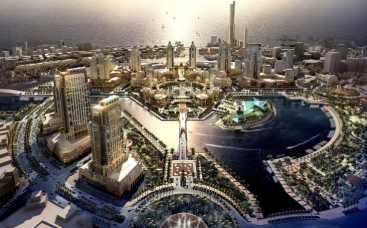
Smart cities are rapidly becoming a reality in 2026, transforming urban living through advanced technology and data-driven solutions. As populations continue to grow, cities around the world are adopting innovative systems to improve efficiency, sustainability, and the overall quality of life for residents. Technology is now at the heart of modern urban development.
One of the key features of smart cities is the widespread use of connected sensors and Internet of Things (IoT) devices. These technologies collect real-time information about traffic, energy usage, air quality, and public services. City officials can use this data to make informed decisions and respond quickly to changing conditions.
Transportation systems have seen significant improvements through smart city initiatives. AI-powered traffic management systems help reduce congestion by adjusting traffic signals based on real-time traffic flow. Public transportation networks are becoming more efficient, while smart navigation tools assist commuters in finding the fastest and safest routes.
Energy management is another area benefiting from smart technology. Intelligent power grids monitor electricity demand and distribute energy more efficiently. Renewable energy sources such as solar and wind power are increasingly integrated into city infrastructure, helping reduce carbon emissions and support environmental sustainability.
Public safety has also been enhanced through advanced technology. Smart surveillance systems, emergency response networks, and predictive analytics help authorities identify potential risks and respond more effectively. These innovations contribute to safer communities while improving disaster preparedness and emergency management.
Healthcare services within smart cities are becoming more accessible and efficient. Telemedicine platforms, connected health devices, and AI-assisted medical systems allow residents to receive better healthcare support. Patients can monitor their health remotely and access medical assistance without always needing to visit a hospital.
Environmental sustainability remains a major goal for smart cities in 2026. Smart waste management systems optimize collection routes, while water monitoring technologies help reduce waste and improve resource conservation. These solutions help cities become cleaner, greener, and more environmentally responsible.
As technology continues to evolve, the future of smart cities looks increasingly promising. By combining artificial intelligence, connectivity, sustainability, and innovation, cities are creating more efficient and livable environments. The smart cities of 2026 are setting the foundation for a future where technology improves everyday life for millions of people around the world.