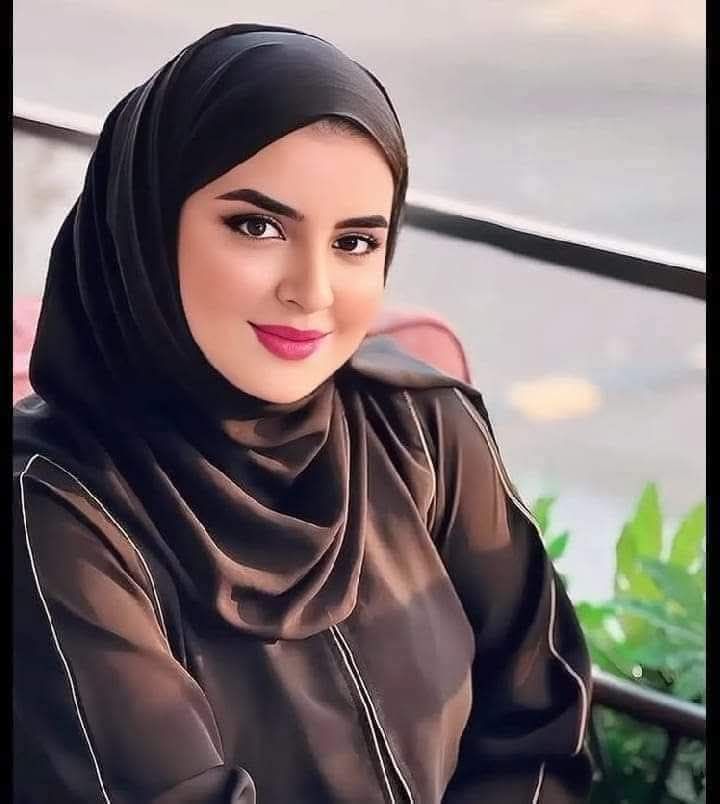
The evolving public role of Sheikha Mahra bint Mohammed bin Rashid Al Maktoum in 2026 reflects a broader transformation within modern Gulf royalty. As traditions meet global visibility, her presence highlights how younger royals are navigating expectations that combine cultural heritage with contemporary public life.
A key aspect of her position is the weight of heritage. Coming from one of Dubai’s most prominent ruling families, she is part of a long-standing legacy that emphasizes leadership, national identity, and continuity. This heritage shapes how her public image is perceived both within the UAE and internationally.
At the same time, modern royal expectations are increasingly dynamic. In 2026, royals are no longer seen only through ceremonial roles but also as cultural figures who engage with social, humanitarian, and sometimes digital spaces. This shift requires a balance between tradition and modern forms of visibility.
Sheikha Mahra’s public identity is often discussed in the context of this balance. While respecting the cultural values of the region, she is also associated with a more contemporary royal presence that resonates with younger generations who value individuality and modern expression.
Cultural representation remains an important responsibility. Members of royal families are often seen as symbolic ambassadors of their nation’s identity. In this role, she reflects aspects of Emirati culture, including hospitality, pride in heritage, and the UAE’s growing global influence.
Another dimension of modern royal expectations involves philanthropy and social contribution. Across the Gulf region, royal figures are frequently connected with charitable work, education initiatives, and community development programs that aim to support long-term national progress.
Media and public attention also play a significant role in shaping her image. In 2026, digital platforms amplify visibility for public figures, meaning that royal personalities must navigate both admiration and scrutiny while maintaining privacy and cultural respect.
Overall, Sheikha Mahra’s journey in 2026 illustrates the ongoing evolution of modern royalty. Her experience reflects how heritage and contemporary expectations can coexist, creating a new model of royal identity that is both rooted in tradition and responsive to a changing global landscape.